ABA Therapy for Toddlers in Portland OR
Key Takeaways
Early ABA therapy for toddlers ages 2–4 is one of the highest-impact interventions available for children with autism. Climb provides play-based, verbal behavior ABA for children starting at age 2 in our Portland clinic. A formal ASD diagnosis is required. The earlier you start the process, the better — waitlists in Oregon are active.
The Earlier You Start, the More You Can Build
If your child has just received an autism diagnosis at age 2 or 3, you may be feeling the urgency of time. You’ve probably read that early intervention matters — and it does, in the most genuine sense. The research on early ABA therapy for toddlers is among the most consistent in all of developmental science: beginning in the toddler years, when the brain is at its most plastic and adaptable, produces outcomes that are difficult to replicate later.
This isn’t about pressure. It’s about possibility.
At Climb, we work with children starting at age 2 using a play-based, verbal behavior approach designed specifically for young learners. We meet toddlers where they are — building the foundational communication skills, social connections, and learning behaviors that will carry them forward throughout childhood.
What Early Intervention ABA Therapy Actually Means
Early Intensive Behavioral Intervention (EIBI) — the research-backed model of intensive ABA for young children with autism — works because it targets the developmental window when children are most receptive to learning new skills.
For a toddler, that means:
Communication comes first
The most pressing goal for most 2–4 year olds with autism is building functional communication. Whether your child is nonverbal, using single words, or beginning to string phrases together, our verbal behavior approach starts by understanding where they are and building from there. Requesting what they need, labeling what they see, and beginning to engage in back-and-forth interaction are early targets that change daily life immediately.
Play is the medium
Toddlers don’t learn by sitting at tables drilling flashcards — and neither do ours. At Climb, therapy for young children is embedded in play, built around the toys, activities, and interactions your child already finds engaging. Learning happens inside the fun, not in spite of it.
Independence is the goal
Every skill we target with a toddler is chosen because it builds independence — the ability to communicate a need, navigate a social interaction, or manage a transition without distress. We’re not teaching children to perform for therapists. We’re building a toolkit they’ll use for life.
Family involvement matters most at this age
For toddlers, the hours between clinic sessions are where so much learning either sticks or fades. Our BCBAs work closely with parents and caregivers to share strategies, explain what we’re doing and why, and help families carry skills into the home, the car, the playground, and the grocery store.
What Toddler ABA Sessions Look Like at Climb
You won’t walk in and see a two-year-old seated across a table from a therapist running discrete trials for hours. That’s not what evidence-based early intervention looks like — and it’s not what we do.
A typical session for a toddler at Climb involves:
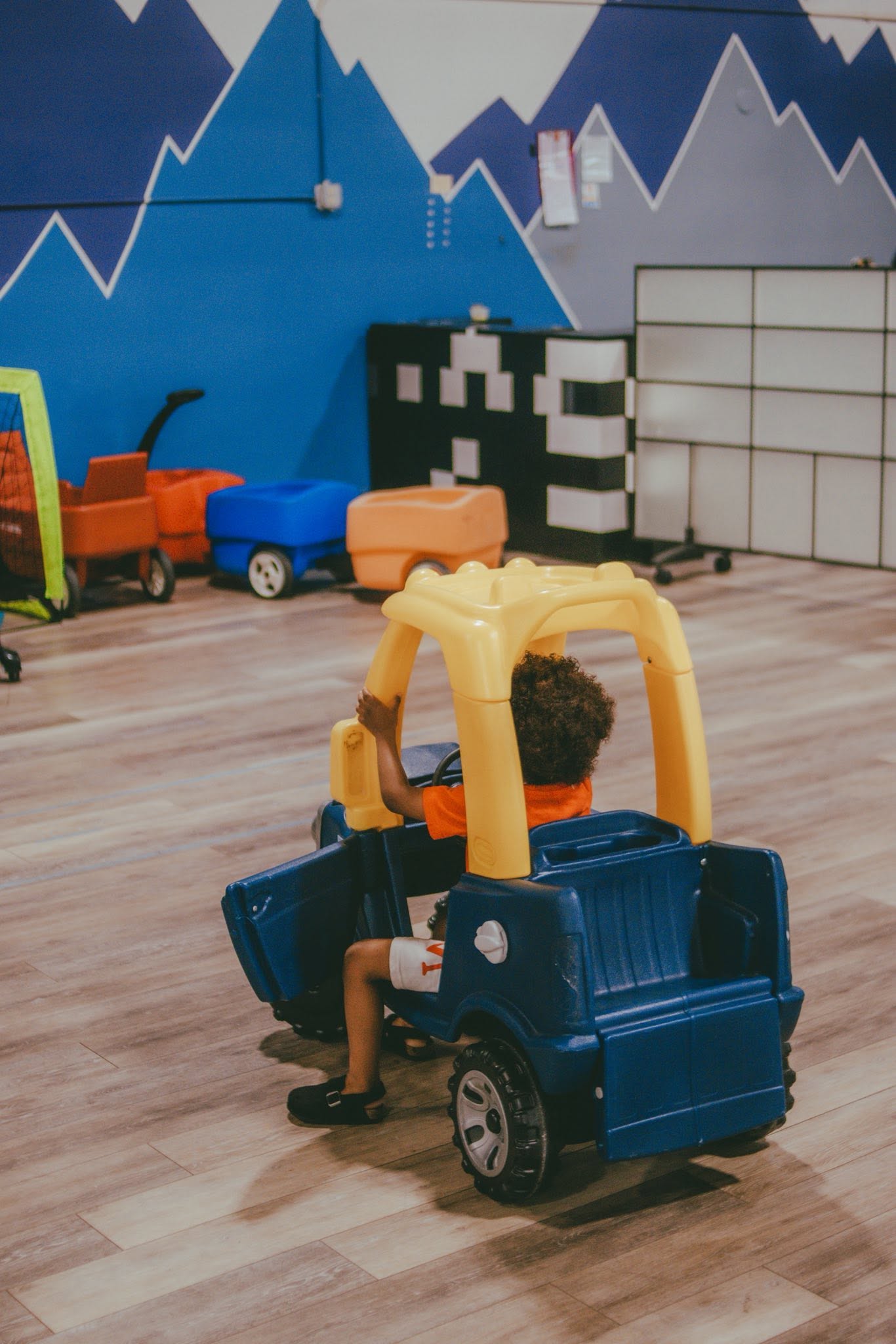
- A warm, structured clinic environment with age-appropriate toys and materials
- A therapist who has studied what your child finds motivating and uses those interests to create learning opportunities
- A mix of structured learning moments and naturalistic play
- Regular BCBA observation and supervision to ensure the treatment plan is working
- A brief check-in with the parent or caregiver at the end of each session
Sessions are individualized. No two toddlers — even two toddlers with the same diagnosis and similar profiles — receive identical treatment. Your child’s plan is built for your child.
Starting ABA Therapy for Toddlers in Portland
The process for toddlers is the same as for any age: a formal ASD diagnosis, joining the waitlist, an intake assessment, and beginning services. Given the significance of early intervention timing, we encourage families with young children to start autism therapy for toddlers as soon as a diagnosis is received.
To join our waitlist we’ll need:
- Your child’s formal ASD evaluation
- Insurance information
- Date of birth and contact details
→ Read our full getting-started guide
Contact Us To Get Started
Frequently Asked Questions
About ABA Therapy for Toddlers in Portland
Click on questions to see answers
What age should a child start ABA therapy?
Research supports starting as early as possible following an autism diagnosis. Ages 2–4 represent an especially high-impact window. The earlier skills are built, the stronger the foundation for language, social connection, and independence.
Is ABA therapy appropriate for a 2 year old?
Yes. ABA therapy can begin as soon as a child receives a formal ASD diagnosis, which can occur as early as 18–24 months. We work with children starting at age 2 using a play-based verbal behavior approach tailored to very young learners.
What does ABA therapy look like for a toddler?
For toddlers at Climb, sessions are play-based and built around each child’s natural interests. We focus on early communication, requesting, and social skills in a warm clinic environment — not seated drills.
Does my toddler need to be verbal to start?
No. Many children who begin ABA therapy at age 2 or 3 are nonverbal or minimally verbal. Building communication — including through alternative systems when needed — is often the first and most important goal of early intervention.
How many hours per week will my toddler receive?
Recommended hours are determined during the intake assessment based on your child’s individual profile and what is authorized by insurance. Research supports more intensive early intervention for greater outcomes, but the right number depends on your child’s specific needs.
Will ABA therapy interfere with preschool or other therapies?
We work with families to coordinate scheduling around other commitments including preschool, speech therapy, and occupational therapy. Collaboration between providers is part of how we work.
Let’s Get Started
What Out Clients Say

“Climb has been an absolute honor to work with. Behavior techs have all been such a dream team. Their compassion, understanding, and empathy for their clients is truly something that you don’t come by often nowadays. Clients are truly prioritized You can definitely see everyone’s hearts in their work.”
– SM
“Absolutely amazing. My daughter has been there for almost 3 years. They challenge her and teach her. She makes new progress everyday. Casey and her team have changed my daughters life in a positive way.”
– KS
“My son started talking so much more after he started this program. The teachers and managers are very kind and the facility is so nice.”
– JD